

Brazil Seeks to Restore Global Prestige Under Ancelotti
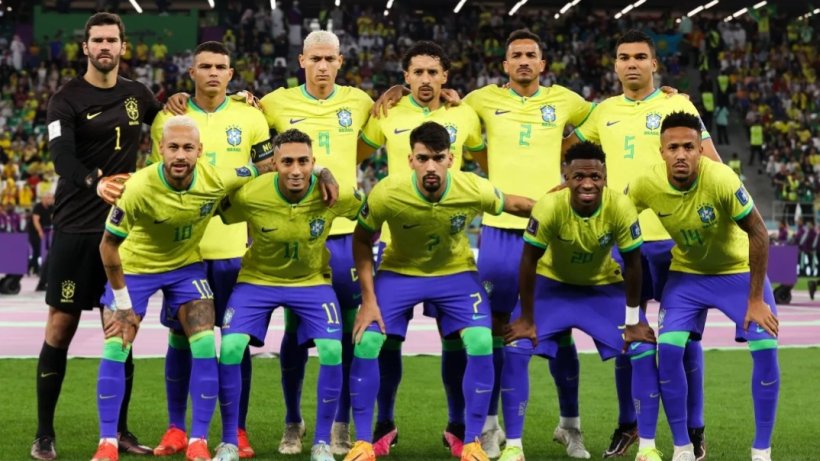
The Brazilian national team enters the 2026 World Cup with high hopes of reclaiming its global glory and adding a sixth star to its jersey, more than two decades after its last championship win in 2002. Although Brazil remains the most successful team in World Cup history, recent years have seen repeated failures in the knockout stages, increasing public and media pressure on the team.
Brazil's path to the World Cup was not easy this time, as the team experienced one of its worst campaigns in the South American qualifiers. The team suffered a series of unusual negative results, including losses to Argentina, Colombia, Uruguay, Paraguay, and Bolivia, in addition to its first-ever home defeat in the history of its World Cup qualifying participation.
These results coincided with an administrative crisis within the Brazilian Football Confederation, where the organization experienced changes in leadership and management, which affected the team's atmosphere and raised concerns about the continued technical decline during the qualifying period.
After the heavy defeat against the Argentine team with a score of 4-1 in Buenos Aires in March 2025, the Brazilian Football Confederation decided to dismiss coach Dorival Junior. At that point, fans began to seriously discuss for the first time the possibility of Brazil stumbling in reaching the World Cup, even though the expanded qualification system helped them remain among the contenders for the qualifying spots.
The major transformation came with the appointment of Italian coach Carlo Ancelotti, who made his mark in European football after historic successes with several major clubs. Ancelotti arrived in Brazil with the aim of restoring balance to the team and capitalizing on the immense individual quality of the players.
The Italian coach relies on an offensive style based on the 4-2-4 formation, which he has favored since taking on the role. Ancelotti believes that the available capabilities in the front line allow him to play with four forwards or attacking players, granting the wings the freedom to move and make a difference.
However, Brazil's preparations for the tournament were not ideal, as the team lost several key players due to injuries, most notably Éder Militão, Rodrygo, and Estevão. These absences forced the coaching staff to look for alternative solutions and rearrange some roles within the lineup.
The team also faces another challenge in the decline of the full-back position's quality compared to previous generations, and matters have become more complicated with the injury of Roma star Wesley. Historically, Brazil has been accustomed to having legendary names like Cafu, Roberto Carlos, Marcelo, and Dani Alves, while the current generation does not possess the same level in these positions.
The issue of Neymar dominated the discussions preceding the announcement of the final World Cup squad. After a long series of injuries and being away from the field, opinions were divided on his ability to provide the required contribution to the national team at this age.
In the end, Ancelotti decided to include Neymar in the tournament squad after being convinced of his ability to regain his physical fitness. However, the veteran striker later suffered a new calf injury, casting significant doubt on his participation in the initial matches.
The Brazilian national team primarily relies on the speed of offensive transitions and counterattacks, especially given the limited options for a traditional center forward. There is hope that Igor Thiago has much to offer. The coaching staff believes that this approach gives the team the best chance to capitalize on the players' technical abilities.
Vinicius Junior stands out as the most important offensive element for the team during the tournament. The Brazilian star has proven himself as one of the best players in the world with Real Madrid, but he is still seeking to fully transfer this brilliance to the national team.
Vinicius will wear the historic number 10 jersey, a number associated with Brazilian football legends over the decades. Fans are expecting him to lead the attack and make a difference in crucial moments during the World Cup journey.
Alongside Vinicius, the young forward Endrick stands out as one of the most promising names. After a difficult period at Real Madrid, he managed to regain his form during his loan to French club Lyon, which restored his confidence and made him an important option for Ancelotti.
In the backline, Gabriel Magalhães serves as the cornerstone of the defensive system. He has established himself among the best defenders in the world thanks to his outstanding performances with Arsenal, and he is expected to shoulder significant responsibility in leading the defense during the tournament.
The team also possesses experienced players in several positions, with names like Casemiro and goalkeeper Alisson Becker, both of whom have significant experience in major competitions and can play a decisive role in challenging times.
Amidst the high ambitions and the doubts imposed by the results of the qualifiers and injuries, Brazil remains one of the top contenders for the title. If Ancelotti succeeds in bringing out the best version of his stars, the 2026 World Cup could be a real opportunity for the Seleção to return to the pinnacle of world football.
Brazil's path to the World Cup was not easy this time, as the team experienced one of its worst campaigns in the South American qualifiers. The team suffered a series of unusual negative results, including losses to Argentina, Colombia, Uruguay, Paraguay, and Bolivia, in addition to its first-ever home defeat in the history of its World Cup qualifying participation.
These results coincided with an administrative crisis within the Brazilian Football Confederation, where the organization experienced changes in leadership and management, which affected the team's atmosphere and raised concerns about the continued technical decline during the qualifying period.
After the heavy defeat against the Argentine team with a score of 4-1 in Buenos Aires in March 2025, the Brazilian Football Confederation decided to dismiss coach Dorival Junior. At that point, fans began to seriously discuss for the first time the possibility of Brazil stumbling in reaching the World Cup, even though the expanded qualification system helped them remain among the contenders for the qualifying spots.
The major transformation came with the appointment of Italian coach Carlo Ancelotti, who made his mark in European football after historic successes with several major clubs. Ancelotti arrived in Brazil with the aim of restoring balance to the team and capitalizing on the immense individual quality of the players.
The Italian coach relies on an offensive style based on the 4-2-4 formation, which he has favored since taking on the role. Ancelotti believes that the available capabilities in the front line allow him to play with four forwards or attacking players, granting the wings the freedom to move and make a difference.
However, Brazil's preparations for the tournament were not ideal, as the team lost several key players due to injuries, most notably Éder Militão, Rodrygo, and Estevão. These absences forced the coaching staff to look for alternative solutions and rearrange some roles within the lineup.
The team also faces another challenge in the decline of the full-back position's quality compared to previous generations, and matters have become more complicated with the injury of Roma star Wesley. Historically, Brazil has been accustomed to having legendary names like Cafu, Roberto Carlos, Marcelo, and Dani Alves, while the current generation does not possess the same level in these positions.
The issue of Neymar dominated the discussions preceding the announcement of the final World Cup squad. After a long series of injuries and being away from the field, opinions were divided on his ability to provide the required contribution to the national team at this age.
In the end, Ancelotti decided to include Neymar in the tournament squad after being convinced of his ability to regain his physical fitness. However, the veteran striker later suffered a new calf injury, casting significant doubt on his participation in the initial matches.
The Brazilian national team primarily relies on the speed of offensive transitions and counterattacks, especially given the limited options for a traditional center forward. There is hope that Igor Thiago has much to offer. The coaching staff believes that this approach gives the team the best chance to capitalize on the players' technical abilities.
Vinicius Junior stands out as the most important offensive element for the team during the tournament. The Brazilian star has proven himself as one of the best players in the world with Real Madrid, but he is still seeking to fully transfer this brilliance to the national team.
Vinicius will wear the historic number 10 jersey, a number associated with Brazilian football legends over the decades. Fans are expecting him to lead the attack and make a difference in crucial moments during the World Cup journey.
Alongside Vinicius, the young forward Endrick stands out as one of the most promising names. After a difficult period at Real Madrid, he managed to regain his form during his loan to French club Lyon, which restored his confidence and made him an important option for Ancelotti.
In the backline, Gabriel Magalhães serves as the cornerstone of the defensive system. He has established himself among the best defenders in the world thanks to his outstanding performances with Arsenal, and he is expected to shoulder significant responsibility in leading the defense during the tournament.
The team also possesses experienced players in several positions, with names like Casemiro and goalkeeper Alisson Becker, both of whom have significant experience in major competitions and can play a decisive role in challenging times.
Amidst the high ambitions and the doubts imposed by the results of the qualifiers and injuries, Brazil remains one of the top contenders for the title. If Ancelotti succeeds in bringing out the best version of his stars, the 2026 World Cup could be a real opportunity for the Seleção to return to the pinnacle of world football.
View Comments