

Ancelotti announces Brazil squad for new era after FIFA World Cup
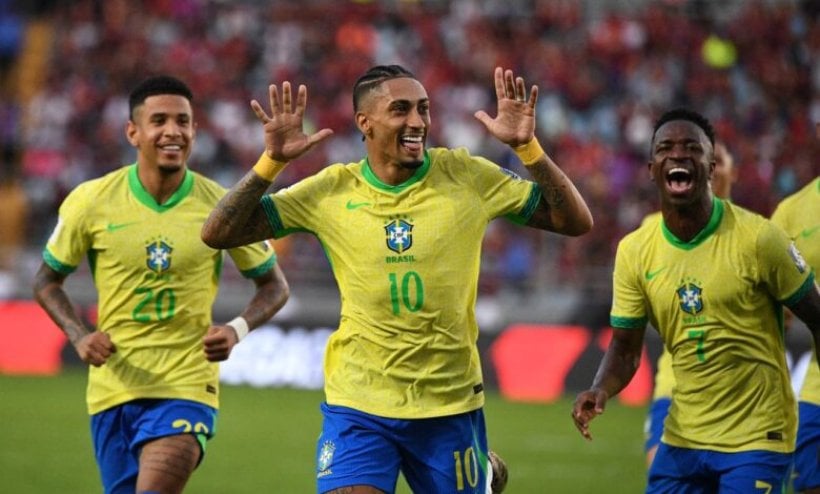
Carlo Ancelotti, the head coach of the Brazil national team, announced his first squad on Wednesday following the conclusion of the FIFA World Cup 2026, in preparation for upcoming friendlies against Australia and India, marking the beginning of a new phase for the Samba team towards the FIFA World Cup 2030. The squad saw significant changes, with the inclusion of several young faces and opportunities given to players active in the Campeonato Brasileiro Série A. Ancelotti's list includes 26 players, as follows: Goalkeepers: Hugo Souza – Corinthians, Pedro Morisco – Coritiba, Otávio – Cruzeiro. Defenders: Arthur Dias – Atlético Paranaense, Douglas Santos – Zenit, Gabriel Magalhães – Arsenal, Jair – Nottingham Forest, Marquinhos – Paris Saint-Germain, Matteozinio – Corinthians, Mauro Júnior – Eindhoven, Vitor Reis – Manchester City, Wesley – Roma. Midfielders: André Santos – Manchester United, Breno Bidon – Corinthians, Bruno Guimarães – Arsenal, Danilo – Botafogo, Douglas Luiz – Juventus, Gabriel Pontimbo – Santos. Forwards: Endrick – Real Madrid, Estivao – Chelsea, João Pedro – Chelsea, Pedro – Flamengo, Raphinha – Barcelona, Ryan – Bournemouth, Samuel Lino – Flamengo, Vinicius Junior – Real Madrid. The squad reflects Ancelotti's intention to rejuvenate the team, featuring eight players making their debut with the senior national team, including Pedro Morisco, Otávio, Arthur Dias, Jair, Matteozinio, Mauro Júnior, Breno Bidon, and Gabriel Pontimbo. The Italian coach also retained several key elements such as Vinicius Junior, Raphinha, Marquinhos, Endrick, and Bruno Guimarães. Brazil will kick off this new phase with two matches against Australia on September 25 and 29, before facing India on October 3 in Kolkata, marking the first historical encounter between the two national teams at the senior level. Ancelotti aims to use these matches to test a new group of players and build the core of the team that will compete in upcoming challenges leading up to the FIFA World Cup 2030.
View Comments