

Report: The Pink Phenomenon Dominates the 2026 World Cup
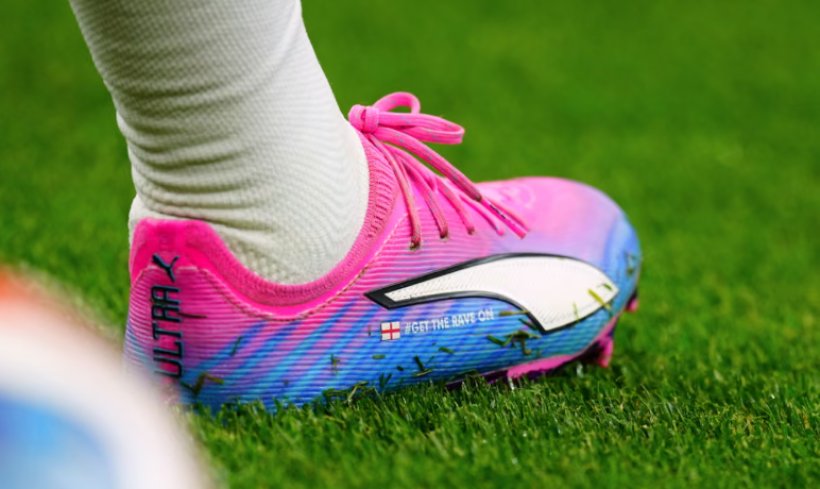
Among all the scenes that characterize the 2026 World Cup held in the United States, Canada, and Mexico, a striking phenomenon emerged that was not linked to goals, surprises, or big stars, but rather a single color that imposed itself strongly on the global stadiums, which is the bright pink or what is known as 'electric fuchsia'.
In almost every match, it has become difficult to ignore the pink shoes worn by players from various teams, whether they are global stars like Lionel Messi, Kylian Mbappe, and Erling Haaland, or players from less famous teams like Cape Verde and Curaçao. Even referees and goalkeepers appeared in this color in many matches, making it the most prominent visual scene of the tournament.
Since the opening match of the 2026 World Cup between Mexico and South Africa, observers noticed the massive spread of pink shoes, with most of the main players in the match wearing different shades of the same color.
As the tournament progressed, the presence of pink increased in the stadiums, whether through shoes, goalkeeper kits, or even some sports accessories, to the extent that global media described it as the 'unofficial official color of the 2026 World Cup'.
Weeks before the start of the tournament, major global sports companies launched their new collections for the World Cup. Adidas launched the 'Path to Glory' collection, Nike presented the 'Kickoff' collection, Puma released the 'Showtime' collection, New Balance launched the 'Pure Ambition' collection, and Skechers also entered the competition with similarly colored shoes. Despite the different names of the collections, the common denominator was the reliance on very close shades of bright pink.
Shoe designers believe the main reason is 'visual clarity', as the pink color provides a strong contrast with the green of the grass, making it more visible on television screens, mobile phones, and social media platforms.
The way football is watched has changed drastically in recent years. Instead of relying solely on large television screens, millions of fans now follow matches via smartphones, short video clips, and social media platforms.
In this context, it has become necessary for manufacturers to ensure their products appear clearly in every frame, replay, or clip spread online.
Pink is one of the most attention-grabbing colors, so it has become an effective marketing tool that helps brands enhance their visual presence in front of hundreds of millions of viewers worldwide.
A football player is no longer just an athlete on the field; they have become a complete brand with millions of followers on social media. Consequently, this transformation has pushed companies to design shoes that allow players to express their personalities and identities, not just deliver the best possible performance.
Sports marketing experts believe that the pink color gives players a sense of confidence and distinction, and also helps them build a stronger visual image with the fans.
In the past, pink was considered a bold and unconventional choice in football, often associated with players seeking attention. However, the situation has changed significantly over the last decade. In the English Premier League 2019-2020 season, players wearing pink shoes scored hundreds of goals compared to a very limited number of goals scored with traditional black shoes.
Two years ago, global companies specializing in trend analysis predicted that 'electric fuchsia' would become one of the most widespread colors during 2026. These predictions were based on studies related to consumer behavior and their desire for optimism, visibility, and self-expression. With the start of the World Cup, these predictions turned into a clear reality on the fields.
Fashion experts affirm that what we see in football today reflects broader global trends in fashion, footwear, and sports products.
Despite all the marketing and aesthetic aspects, sports companies emphasize that performance remains the primary factor in choosing shoes. Colors may attract attention, but players do not participate in the World Cup because of the shoe color, but because of the technology and design that help them deliver their best levels. Nevertheless, it cannot be denied that pink has succeeded in imposing itself as one of the most prominent symbols of the 2026 World Cup.
Whether the reason is marketing, fashion, the desire for visibility, or future predictions, 'electric fuchsia' has undoubtedly become the most prominent visual symbol of the tournament, perhaps paving the way for new color trends in the world of football in the coming years.
In almost every match, it has become difficult to ignore the pink shoes worn by players from various teams, whether they are global stars like Lionel Messi, Kylian Mbappe, and Erling Haaland, or players from less famous teams like Cape Verde and Curaçao. Even referees and goalkeepers appeared in this color in many matches, making it the most prominent visual scene of the tournament.
Since the opening match of the 2026 World Cup between Mexico and South Africa, observers noticed the massive spread of pink shoes, with most of the main players in the match wearing different shades of the same color.
As the tournament progressed, the presence of pink increased in the stadiums, whether through shoes, goalkeeper kits, or even some sports accessories, to the extent that global media described it as the 'unofficial official color of the 2026 World Cup'.
Weeks before the start of the tournament, major global sports companies launched their new collections for the World Cup. Adidas launched the 'Path to Glory' collection, Nike presented the 'Kickoff' collection, Puma released the 'Showtime' collection, New Balance launched the 'Pure Ambition' collection, and Skechers also entered the competition with similarly colored shoes. Despite the different names of the collections, the common denominator was the reliance on very close shades of bright pink.
Shoe designers believe the main reason is 'visual clarity', as the pink color provides a strong contrast with the green of the grass, making it more visible on television screens, mobile phones, and social media platforms.
The way football is watched has changed drastically in recent years. Instead of relying solely on large television screens, millions of fans now follow matches via smartphones, short video clips, and social media platforms.
In this context, it has become necessary for manufacturers to ensure their products appear clearly in every frame, replay, or clip spread online.
Pink is one of the most attention-grabbing colors, so it has become an effective marketing tool that helps brands enhance their visual presence in front of hundreds of millions of viewers worldwide.
A football player is no longer just an athlete on the field; they have become a complete brand with millions of followers on social media. Consequently, this transformation has pushed companies to design shoes that allow players to express their personalities and identities, not just deliver the best possible performance.
Sports marketing experts believe that the pink color gives players a sense of confidence and distinction, and also helps them build a stronger visual image with the fans.
In the past, pink was considered a bold and unconventional choice in football, often associated with players seeking attention. However, the situation has changed significantly over the last decade. In the English Premier League 2019-2020 season, players wearing pink shoes scored hundreds of goals compared to a very limited number of goals scored with traditional black shoes.
Two years ago, global companies specializing in trend analysis predicted that 'electric fuchsia' would become one of the most widespread colors during 2026. These predictions were based on studies related to consumer behavior and their desire for optimism, visibility, and self-expression. With the start of the World Cup, these predictions turned into a clear reality on the fields.
Fashion experts affirm that what we see in football today reflects broader global trends in fashion, footwear, and sports products.
Despite all the marketing and aesthetic aspects, sports companies emphasize that performance remains the primary factor in choosing shoes. Colors may attract attention, but players do not participate in the World Cup because of the shoe color, but because of the technology and design that help them deliver their best levels. Nevertheless, it cannot be denied that pink has succeeded in imposing itself as one of the most prominent symbols of the 2026 World Cup.
Whether the reason is marketing, fashion, the desire for visibility, or future predictions, 'electric fuchsia' has undoubtedly become the most prominent visual symbol of the tournament, perhaps paving the way for new color trends in the world of football in the coming years.
View Comments