

AS: The 2025 Africa Cup of Nations as a Showcase Reflecting Moroccan Expertise and World-Class Infrastructure
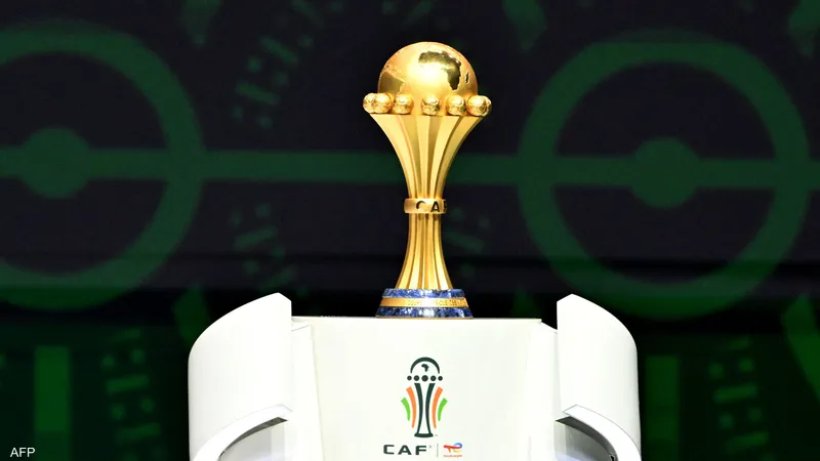
The Spanish newspaper "AS" considered today, Thursday, that the 35th edition of the Africa Cup of Nations, set to begin next Sunday, represents a significant milestone highlighting Morocco's extensive experience in organizing major football events, supported by sports infrastructure that meets the highest international standards.
The newspaper explained in its report that Morocco has prepared nine advanced sports facilities to host the championship competitions, including the Prince Moulay Abdellah Sports Complex in Rabat, which will host the opening match between the Moroccan national team and the Comoros national team.
As reported by "AS," the 2025 Africa Cup of Nations represents a pivotal step in the preparation process for hosting the 2030 World Cup, highlighting that investments exceeding 1.86 billion euros have been allocated to modernize infrastructure, in line with the strictest requirements of FIFA.
The same source added that five out of the nine approved stadiums for hosting the tournament matches are located in the cities of Rabat, Tangier, Fez, Agadir, and Marrakech, which are considered strategic sites within the 2030 World Cup bid. While the stadiums in Rabat and Tangier currently meet full international standards, the remaining stadiums are expected to undergo a final qualification phase after the conclusion of the continental championship.
In the same context, the newspaper highlighted the Grand Hassan II Stadium project in Casablanca, which is expected to become the largest stadium in the world with a seating capacity of up to 115,000 spectators. It considered this a reflection of Morocco's ambition to redefine the standards for hosting major global sporting events.
Asharq Al-Awsat continued that the Moroccan preparations are not limited to the stadiums only, but include a comprehensive sports system comprising 55 training centers accredited by the International Football Federation, in addition to a modern international broadcasting center in the city of Casablanca, covering an area of 40,000 square meters and equipped with the latest technologies.
The newspaper concluded its report by emphasizing that this momentum is part of a comprehensive vision that has contributed to the development of women's football and the strengthening of specialized academies. It pointed out that Morocco now possesses all the necessary elements to offer a pioneering football experience both within the African continent and beyond.
The newspaper explained in its report that Morocco has prepared nine advanced sports facilities to host the championship competitions, including the Prince Moulay Abdellah Sports Complex in Rabat, which will host the opening match between the Moroccan national team and the Comoros national team.
As reported by "AS," the 2025 Africa Cup of Nations represents a pivotal step in the preparation process for hosting the 2030 World Cup, highlighting that investments exceeding 1.86 billion euros have been allocated to modernize infrastructure, in line with the strictest requirements of FIFA.
The same source added that five out of the nine approved stadiums for hosting the tournament matches are located in the cities of Rabat, Tangier, Fez, Agadir, and Marrakech, which are considered strategic sites within the 2030 World Cup bid. While the stadiums in Rabat and Tangier currently meet full international standards, the remaining stadiums are expected to undergo a final qualification phase after the conclusion of the continental championship.
In the same context, the newspaper highlighted the Grand Hassan II Stadium project in Casablanca, which is expected to become the largest stadium in the world with a seating capacity of up to 115,000 spectators. It considered this a reflection of Morocco's ambition to redefine the standards for hosting major global sporting events.
Asharq Al-Awsat continued that the Moroccan preparations are not limited to the stadiums only, but include a comprehensive sports system comprising 55 training centers accredited by the International Football Federation, in addition to a modern international broadcasting center in the city of Casablanca, covering an area of 40,000 square meters and equipped with the latest technologies.
The newspaper concluded its report by emphasizing that this momentum is part of a comprehensive vision that has contributed to the development of women's football and the strengthening of specialized academies. It pointed out that Morocco now possesses all the necessary elements to offer a pioneering football experience both within the African continent and beyond.
News Related

Hakimi and Ziyech Lead the List of Most Appearances with Morocco in the World Cup
Achraf Hakimi and Hakim Ziyech are the most capped players in the history of the Moroccan national team.

From Qatar to America.. Morocco Chases New Global Glory
Morocco qualifies for the 2026 World Cup for the seventh time in history.

Morocco Challenges Brazil and Chases the Lead.. What Awaits the Atlas Lions in the World Cup
Morocco aims to qualify for the 2026 World Cup by facing Brazil.

Morocco in the 2026 World Cup: A New Generation Dreams of Repeating the Achievement
Morocco prepares for the 2026 World Cup with great ambitions and a strong lineup.

Doping Tests for 12 Players from the Moroccan National Team
Doping tests for the Moroccan national team before the 2026 World Cup.

Morocco's Official Squad for the 2026 World Cup
Announcement of the Moroccan national team squad for the 2026 World Cup.

Morocco Sweeps Burundi with a Five-Goal Friendly
Morocco defeats Burundi 5-0 in a friendly match.

Hakimi, Bounou, and Diaz Lead Morocco's Upcoming List
Moroccan fans are eagerly awaiting the press conference this Tuesday evening.

Bennour: It's a Great Honor to Wear Morocco's Jersey.. I Dream of Securing a Spot in the World Cup
Sofiane Bennour aims to represent Morocco in the 2026 World Cup.

Ayoub Bouaddi: Proud to Represent Morocco
The Moroccan international Ayoub Bouaddi expressed his great pride in wearing the jersey