


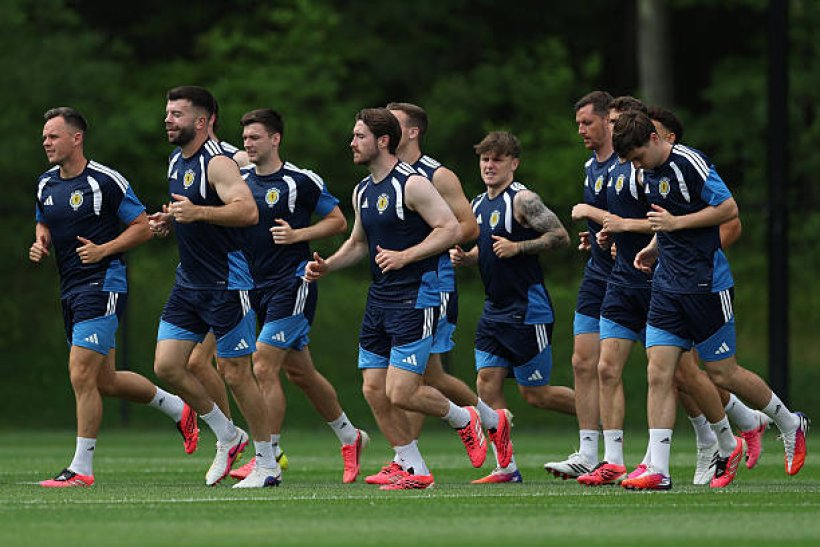
Scotland Between the Curse of the Group Stage and the Hope of Breaking the Jinx in the 2026 World Cup
Scotland returns to the World Cup for the first time in 28 years, marking a historic participation in the 2026 World Cup. This comes amid a clear effort to end a long negative streak of being eliminated in the group stage in 12 consecutive major tournaments. Will the thirteenth attempt be successful this summer?
Scotland is participating in the World Cup for the ninth time in its history, returning to the tournament after being absent since the 1998 edition. The group draw resulted in renewed encounters with Brazil and Morocco, the same opponents they faced in the 1998 edition, with Norway being replaced by the Haitian team in this edition.
Scotland has a challenging history against Brazil, having faced them five times in previous World Cup participations without securing a win, resulting in one draw and three losses. Additionally, the Scottish team has only managed to achieve four victories in the 23 matches it has played throughout its World Cup history, which is fewer than the number of titles Brazil has won in the tournament.
Scotland's win rate in the World Cup is among the weakest historically, standing at only 17%. This is the third worst rate among teams that have played 20 or more matches in the tournament, reflecting the extent of their historical struggles in the World Cup.
Despite this negative record, recent years have seen a clear improvement in the team's performance under the leadership of coach Steve Clarke, especially in the qualifiers. The team achieved 7 wins in 10 matches during the 2022 World Cup qualifiers and was the only team to defeat Denmark during those qualifiers, before losing the chance to qualify against Ukraine in the 2022 playoffs.
The team continued its development by winning 9 out of the next 14 matches in major tournament qualifiers, successfully topping a World Cup qualifying group for the first time since 1982, making Steve Clarke the first coach to lead Scotland to three major tournaments.
However, this progress in reaching the finals did not translate into performance within the tournaments, as the team failed to achieve any victories during its participation in Euro 2020 and Euro 2024. It was among the teams with the least goals scored and chances created, which maintained the issue of being eliminated in the group stage.
Over 12 appearances in major tournaments, the "World Cup and European Championship," Scotland has never succeeded in advancing beyond the group stage, which is a negative record among national teams, surpassing countries like Iran and Tunisia in this regard.
One of the most notable moments of disappointment dates back to the 1974 World Cup, when the team was eliminated despite not losing a single match. They drew two games and won one, but exited the tournament due to goal difference, in a rare historical scenario.
In Euro 1996, the team achieved a single victory against Switzerland with a clean goal, but they were also eliminated despite having equal points with the Netherlands, with goal difference remaining a recurring reason for elimination.
With the start of the 2026 World Cup against Haiti, ranked 83rd globally, the opportunity seems ripe for a positive beginning, especially since the new system may allow qualification even through third place.
The team heavily relies on the experienced trio of Scott McTominay, Andy Robertson, and McGinn, who have been the cornerstone of the squad's formation in recent years.
McTominay particularly stands out after his impressive performance with Napoli, scoring 22 goals in the Italian league over the last two seasons, while Robertson and McGinn continue to play leading roles on the international stage.
Statistical models indicate that Scotland's chances of topping their group do not exceed 9.8%, while their chances of reaching the round of 32 are about 66.4%, leaving the door of hope open for the Scottish team to break a long-awaited historical jinx.
Scotland is participating in the World Cup for the ninth time in its history, returning to the tournament after being absent since the 1998 edition. The group draw resulted in renewed encounters with Brazil and Morocco, the same opponents they faced in the 1998 edition, with Norway being replaced by the Haitian team in this edition.
Scotland has a challenging history against Brazil, having faced them five times in previous World Cup participations without securing a win, resulting in one draw and three losses. Additionally, the Scottish team has only managed to achieve four victories in the 23 matches it has played throughout its World Cup history, which is fewer than the number of titles Brazil has won in the tournament.
Scotland's win rate in the World Cup is among the weakest historically, standing at only 17%. This is the third worst rate among teams that have played 20 or more matches in the tournament, reflecting the extent of their historical struggles in the World Cup.
Despite this negative record, recent years have seen a clear improvement in the team's performance under the leadership of coach Steve Clarke, especially in the qualifiers. The team achieved 7 wins in 10 matches during the 2022 World Cup qualifiers and was the only team to defeat Denmark during those qualifiers, before losing the chance to qualify against Ukraine in the 2022 playoffs.
The team continued its development by winning 9 out of the next 14 matches in major tournament qualifiers, successfully topping a World Cup qualifying group for the first time since 1982, making Steve Clarke the first coach to lead Scotland to three major tournaments.
However, this progress in reaching the finals did not translate into performance within the tournaments, as the team failed to achieve any victories during its participation in Euro 2020 and Euro 2024. It was among the teams with the least goals scored and chances created, which maintained the issue of being eliminated in the group stage.
Over 12 appearances in major tournaments, the "World Cup and European Championship," Scotland has never succeeded in advancing beyond the group stage, which is a negative record among national teams, surpassing countries like Iran and Tunisia in this regard.
One of the most notable moments of disappointment dates back to the 1974 World Cup, when the team was eliminated despite not losing a single match. They drew two games and won one, but exited the tournament due to goal difference, in a rare historical scenario.
In Euro 1996, the team achieved a single victory against Switzerland with a clean goal, but they were also eliminated despite having equal points with the Netherlands, with goal difference remaining a recurring reason for elimination.
With the start of the 2026 World Cup against Haiti, ranked 83rd globally, the opportunity seems ripe for a positive beginning, especially since the new system may allow qualification even through third place.
The team heavily relies on the experienced trio of Scott McTominay, Andy Robertson, and McGinn, who have been the cornerstone of the squad's formation in recent years.
McTominay particularly stands out after his impressive performance with Napoli, scoring 22 goals in the Italian league over the last two seasons, while Robertson and McGinn continue to play leading roles on the international stage.
Statistical models indicate that Scotland's chances of topping their group do not exceed 9.8%, while their chances of reaching the round of 32 are about 66.4%, leaving the door of hope open for the Scottish team to break a long-awaited historical jinx.
News Related

Scotland Begins World Cup Journey with Victory Against Haiti
The Scotland team achieved an important victory over the Haiti team with a score of 1-0.

Haiti's Shirt Sparks Controversy: FIFA Bans Independence Symbol and Faces Accusations of Double Standards
FIFA faces criticism over decisions related to political neutrality.

FIFA Requests Haiti to Modify Its Jersey
FIFA requests Haiti to modify its jersey for the 2026 World Cup.

1975 Days Away from the Field: An Unbelievable Comeback Story of Scotland's Goalkeeper
Craig Gordon, 43 years old, is a candidate for participating in the World Cup.

The Strongest and Weakest Groups in the 2026 World Cup
The groups of the 2026 World Cup vary in strength according to Opta rankings.

Scotland National Team Fans Receive Shock Before World Cup Kickoff
Cancellation of Scotland Fans' Travel Permits Raises Their Concerns Before the World Cup.

After a Long Absence... Scotland Chases a Historic Achievement
Scotland qualifies for the 2026 World Cup after a long absence.

Haiti Before the World Cup: A Surprising Force on the Field and Enthusiastic Crowds in the Stands
Haiti defeats New Zealand 4-0 and shows improvement before the World Cup.

Craig Gordon Enters History as the Oldest Player in the 2026 World Cup
Craig Gordon becomes the oldest player in the 2026 World Cup at the age of 43.
Morocco Challenges Brazil and Chases the Lead.. What Awaits the Atlas Lions in the World Cup
Morocco aims to qualify for the 2026 World Cup by facing Brazil.