

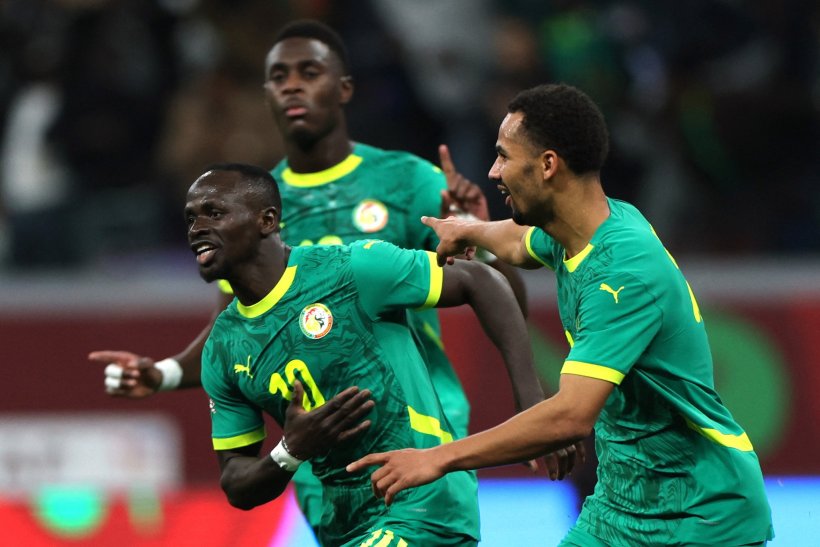
Senegal Enters the World Cup with Renewed Ambition Amid Controversy and Identity Change
Senegal reaches the 2026 World Cup in North America in good form after topping their group in the qualifiers, making them one of the first African teams to qualify.
Nevertheless, the national team enters the tournament carrying a mix of experiences, including continental successes and global setbacks, in addition to controversy over the withdrawal of the Africa Cup of Nations title following the events of the final against Morocco.
Coach Pape Thiaw is leading a new project that focuses on rejuvenation by introducing young players while reducing reliance on some veteran names.
The playing style has shifted to a more flexible approach that relies on possession and quick movement, with a return to the 4-3-3 formation, while the captain Kalidou Koulibaly remains a key element in the defense line.
Sadio Mane remains the leading offensive figure and the most prominent symbol of the national team despite his advancing age, alongside the speed of Ismaila Sarr and Nicolas Jackson in the front line, with an important role in midfield for Pape Matar Sarr and Pape Gueye.
Everyone is eagerly anticipating the emergence of the young talent Amara Diouf, who is considered one of the most notable discoveries in modern Senegalese football, and the same goes for Ibrahim Mbaye.
The fans of Senegal are known as the "twelfth man," creating an enthusiastic atmosphere at every tournament. However, the team's participation in North America faces challenges related to travel costs and ticket prices, despite some facilitation in visa procedures.
The team aims to restore its strong global image and deliver a better performance than its previous World Cup participation, hoping to rekindle memories of its first appearance in 2002 when it reached the quarter-finals. Before that, they must face a tough group that includes France, Iraq, and Norway.
Nevertheless, the national team enters the tournament carrying a mix of experiences, including continental successes and global setbacks, in addition to controversy over the withdrawal of the Africa Cup of Nations title following the events of the final against Morocco.
Coach Pape Thiaw is leading a new project that focuses on rejuvenation by introducing young players while reducing reliance on some veteran names.
The playing style has shifted to a more flexible approach that relies on possession and quick movement, with a return to the 4-3-3 formation, while the captain Kalidou Koulibaly remains a key element in the defense line.
Sadio Mane remains the leading offensive figure and the most prominent symbol of the national team despite his advancing age, alongside the speed of Ismaila Sarr and Nicolas Jackson in the front line, with an important role in midfield for Pape Matar Sarr and Pape Gueye.
Everyone is eagerly anticipating the emergence of the young talent Amara Diouf, who is considered one of the most notable discoveries in modern Senegalese football, and the same goes for Ibrahim Mbaye.
The fans of Senegal are known as the "twelfth man," creating an enthusiastic atmosphere at every tournament. However, the team's participation in North America faces challenges related to travel costs and ticket prices, despite some facilitation in visa procedures.
The team aims to restore its strong global image and deliver a better performance than its previous World Cup participation, hoping to rekindle memories of its first appearance in 2002 when it reached the quarter-finals. Before that, they must face a tough group that includes France, Iraq, and Norway.
View Comments