

Reasons for Barcelona's Strong Comeback in the Transfer Market
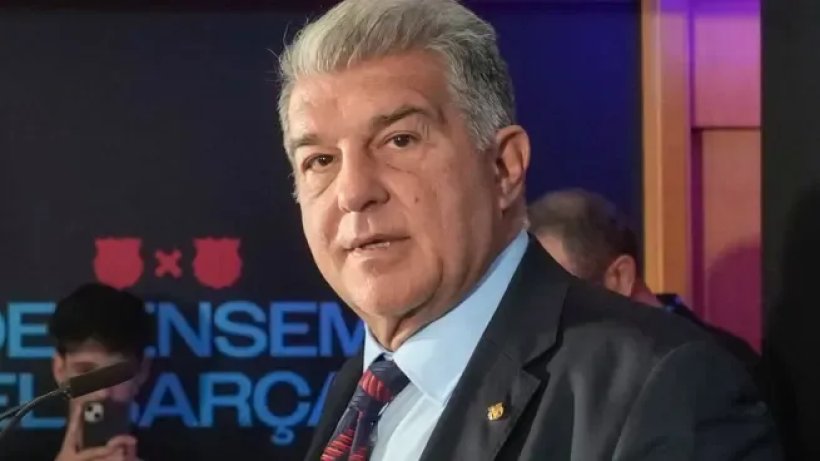
The management of the Spanish club Barcelona, led by Joan Laporta and in coordination with the sporting director Deco, continues to work on a comprehensive strategy aimed at rescuing the club from its severe financial crisis and achieving a balance between financial recovery and sporting success in the upcoming phase.
The club started the summer transfer market strongly by signing the English star Anthony Gordon from Newcastle United, and there is talk of being close to acquiring Bernardo Silva, in addition to news about the desire to bring in Josko Gvardiol, and continuing attempts to secure the services of Julian Alvarez.
The strong return of the Catalan club to the market has three main reasons:
First: Restructuring the financial situation and reducing expenses.
The management of the Blaugrana succeeded, after diligent work, in freeing themselves from the constraints of the "one-to-one" (1:1) rule imposed by La Liga on financially troubled clubs. This step includes a significant reduction in the wage bill through the departure of several high-salary players, foremost among them Robert Lewandowski, whose departure has already been confirmed, along with Marc-André ter Stegen and Ansu Fati. This will provide the management with greater flexibility and ease in the transfer market.
Secondly: Revitalizing revenues and sponsorship contracts
The management is betting on several months after the team's return to its historic stronghold, the "Spotify Camp Nou" stadium, where profits are expected to gradually increase in conjunction with the completion of development and maintenance work. The club also relies on revitalizing the commercial sector and signing new sponsorship contracts, in addition to expecting an income of 70 million euros from La Liga as secondary revenue from VIP seating in the stadium.
Third: The sports revenues from European competitions
The entire economic revival of the club is linked to the team's performance on the field; sporting stability and advancing far in the UEFA Champions League—after reaching the quarter-finals and semi-finals in recent seasons—are fundamental pillars for generating substantial financial profits, benefiting from the new tournament system that offers doubled rewards for qualifying clubs.
The club started the summer transfer market strongly by signing the English star Anthony Gordon from Newcastle United, and there is talk of being close to acquiring Bernardo Silva, in addition to news about the desire to bring in Josko Gvardiol, and continuing attempts to secure the services of Julian Alvarez.
The strong return of the Catalan club to the market has three main reasons:
First: Restructuring the financial situation and reducing expenses.
The management of the Blaugrana succeeded, after diligent work, in freeing themselves from the constraints of the "one-to-one" (1:1) rule imposed by La Liga on financially troubled clubs. This step includes a significant reduction in the wage bill through the departure of several high-salary players, foremost among them Robert Lewandowski, whose departure has already been confirmed, along with Marc-André ter Stegen and Ansu Fati. This will provide the management with greater flexibility and ease in the transfer market.
Secondly: Revitalizing revenues and sponsorship contracts
The management is betting on several months after the team's return to its historic stronghold, the "Spotify Camp Nou" stadium, where profits are expected to gradually increase in conjunction with the completion of development and maintenance work. The club also relies on revitalizing the commercial sector and signing new sponsorship contracts, in addition to expecting an income of 70 million euros from La Liga as secondary revenue from VIP seating in the stadium.
Third: The sports revenues from European competitions
The entire economic revival of the club is linked to the team's performance on the field; sporting stability and advancing far in the UEFA Champions League—after reaching the quarter-finals and semi-finals in recent seasons—are fundamental pillars for generating substantial financial profits, benefiting from the new tournament system that offers doubled rewards for qualifying clubs.
News Related
Officially.. Barcelona Announces Signing of Anthony Gordon
Barcelona Football Club has announced that it has reached an agreement with Newcastle United for

Atletico Madrid's Fiery Statement: Media Attack and Direct Accusations Against Barcelona
Atletico Madrid rejects defamation and attacks Barcelona over standards.

From Atletico to Barcelona: History of Unfruitful Deals Resurfaces Due to Alvarez
Barcelona continues its interest in signing Argentine striker Julian Alvarez.

Atletico Madrid Mocks Rumors of Alvarez's Transfer to Barcelona
Atletico Madrid mocks rumors about Julian Alvarez's transfer to Barcelona.

Full Financial Details of Gordon's Transfer to Barcelona
Anthony Gordon's transfer to Barcelona for 80 million euros.

Atletico Madrid Denies Receiving Offer from Barcelona for Alvarez
Atletico Madrid denies receiving an offer from Barcelona for Julian Alvarez.

Real Madrid Continues to Top the List of the World's Most Valuable Clubs
Forbes magazine reported that Real Madrid continues to lead the list
Bernardo Silva Seeks to Wear Barcelona Jersey
Bernardo Silva wishes to join Barcelona as a free agent.
Stegen Nears Departure from Barcelona Amid Agreement Between Both Parties
Ter Stegen Considers Leaving Barcelona Due to Limited Playing Time.

Date of Gordon's Transfer Deal Presentation to Barcelona
Barcelona is preparing for the official announcement of signing the Englishman Anthony