

Three Reasons Behind Al-Quwa Al-Jawiya's Victory Over Al-Zawraa and Winning the League Title
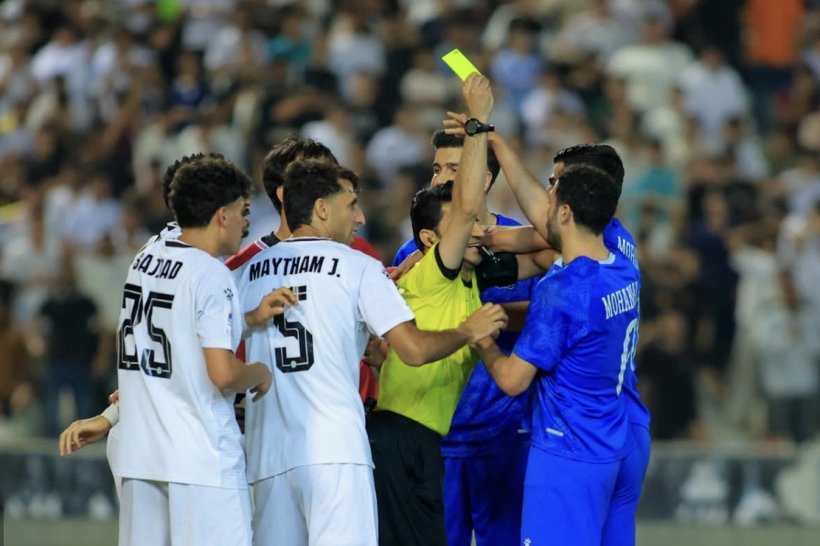
Al-Quwa Al-Jawiya turned their deficit against Al-Zawraa into a 2-1 victory in the final minutes, officially securing the Iraqi Stars League title two rounds before the end. The victory was not by chance but was the result of three factors that decided the classic match in favor of the Hawks:
Al-Zawraa started strongly and scored first through Hiran Azad in the 15th minute, controlling the first half with possession and organization. Facing this pressure, Al-Quwa Al-Jawiya decided to retreat, organize their ranks, and rely on counter-attacks instead of taking risks.
However, the difference was in character. The Hawks showed high fighting spirit from the first minute until the final whistle, not surrendering despite trailing for 70 minutes. Continuous pressure in the second half resulted in an equalizing goal by Mohammed Jawad in the 85th minute, followed by a killer winning goal in the 95th minute. This mentality is what differentiated a team playing for the title from a team content with leading.
Rashid Jaber entered the match with a clear plan: no calculations other than winning. The message reached the players who played the match as an early final. Even with Al-Zawraa's retreat in the second half, Al-Quwa Al-Jawiya did not fall back to defense but continued high pressing and besieging the Nawras defense.
This collective desire prevented the team from engaging in complex calculations and made the players seek scoring until the last seconds. Mohammed Jawad was an example of this mentality, deciding the match with a brace at a time when a draw seemed the closest result.
The People's Stadium was packed with Al-Quwa Al-Jawiya fans, and the support from the stands was extraordinary. The crowd's pressure gave the players a significant moral boost in the second half, helping to break Al-Zawraa's physical and mental retreat.
Tactically, Rashid Jaber read the match excellently. His acceptance to retreat in the first half was a calculated decision to absorb Al-Zawraa's enthusiasm, then the team came back strongly after the break. The substitutions and timing of the late pressure demonstrated the coach's experience in managing crucial matches, securing the three points despite the tough start.
Al-Zawraa started strongly and scored first through Hiran Azad in the 15th minute, controlling the first half with possession and organization. Facing this pressure, Al-Quwa Al-Jawiya decided to retreat, organize their ranks, and rely on counter-attacks instead of taking risks.
However, the difference was in character. The Hawks showed high fighting spirit from the first minute until the final whistle, not surrendering despite trailing for 70 minutes. Continuous pressure in the second half resulted in an equalizing goal by Mohammed Jawad in the 85th minute, followed by a killer winning goal in the 95th minute. This mentality is what differentiated a team playing for the title from a team content with leading.
Rashid Jaber entered the match with a clear plan: no calculations other than winning. The message reached the players who played the match as an early final. Even with Al-Zawraa's retreat in the second half, Al-Quwa Al-Jawiya did not fall back to defense but continued high pressing and besieging the Nawras defense.
This collective desire prevented the team from engaging in complex calculations and made the players seek scoring until the last seconds. Mohammed Jawad was an example of this mentality, deciding the match with a brace at a time when a draw seemed the closest result.
The People's Stadium was packed with Al-Quwa Al-Jawiya fans, and the support from the stands was extraordinary. The crowd's pressure gave the players a significant moral boost in the second half, helping to break Al-Zawraa's physical and mental retreat.
Tactically, Rashid Jaber read the match excellently. His acceptance to retreat in the first half was a calculated decision to absorb Al-Zawraa's enthusiasm, then the team came back strongly after the break. The substitutions and timing of the late pressure demonstrated the coach's experience in managing crucial matches, securing the three points despite the tough start.
News Related

Erbil Gifts League Title to Al-Jawiya After Victory Over Al-Shorta with Two Goals
Erbil dealt a severe blow to Al-Shorta's hopes of retaining the title
Al-Quwa Al-Jawiya Crowned Champions of the Iraqi Stars League
Al-Quwa Al-Jawiya wins the Iraqi Stars Football League title.

Significant Absences Hit Al-Zawraa Before Facing Al-Quwa Al-Jawiya
Al-Zawraa enters the classic match against Al-Quwa Al-Jawiya tomorrow with a shortage of

Meet the Al-Zawraa Players Called Up by Arnold for the Iraq Squad
Iraq national team coach Graham Arnold revealed the player list
Revealing the Referee for the Al-Quwa Al-Jawiya vs. Al-Zawraa Match
The Referees Committee in the Football Federation announced the assignment of the Iraqi international referee.
Three Factors for Al-Quwa Al-Jawiya to Overcome Al-Zawraa
Al-Quwa Al-Jawiya stands before a golden opportunity to clinch the Stars League title
Al-Zawraa Misses Louay Salah Before Facing Al-Quwa Al-Jawiya
Al-Zawraa Club will officially miss the services of its coach Louay Salah in the match

Luay Salah: The Air Force Match Will Be a Turning Point and Our Goal is to Win
Al-Zawraa held its press conference before the anticipated confrontation against Al-Quwa Al-Jawiya
Rashid Jaber: Al-Zawraa is a Tough Opponent, but We Must Achieve the Three Points
The press conference for the Iraq Clasico between Al-Quwa Al-Jawiya and Al-Zawraa witnessed
Al-Zawraa Enters the Match Against Al-Quwa Al-Jawiya with Three Goals, What Are They?
Al-Zawraa is preparing to face Al-Quwa Al-Jawiya tomorrow, Wednesday, at the People's Stadium.