


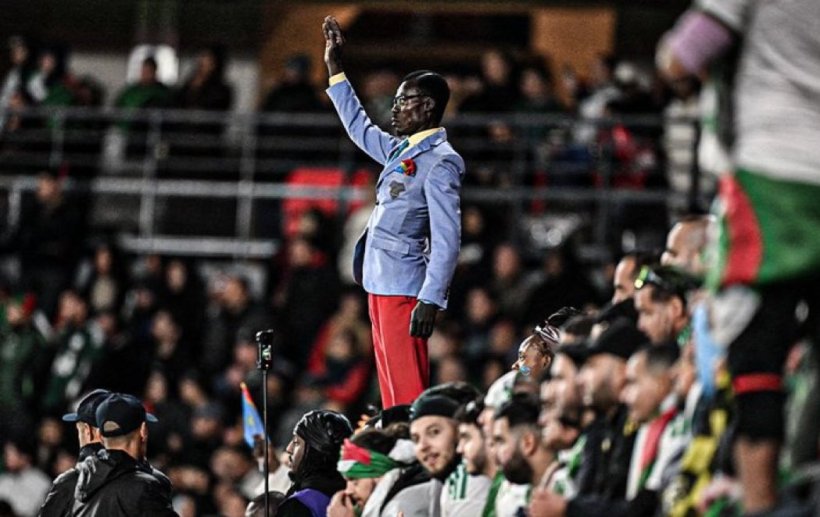
The Notable Appearance of Congolese Fan Michel Koka Mboladinga Ends
The notable appearance of Congolese fan Michel Koka Mboladinga in the stands of the Africa Cup of Nations currently held in Morocco has come to an end, following the elimination of the Democratic Republic of Congo by the Algerian team, bringing the curtain down on one of the tournament's most memorable fan moments.
Mboladinga caught everyone's attention with his unique way of cheering, standing still throughout the matches, embodying the character of Congolese liberation hero Patrice Lumumba in a symbolic scene that combined football and national history.
Patrice Lumumba is considered one of the most prominent symbols of African struggle in the twentieth century and was the first elected Prime Minister of the Democratic Republic of the Congo after its independence from Belgium in 1960.
Lumumba was known for his powerful speeches against colonialism and his explicit call for national sovereignty and the unity of the country, which made him a target of internal and external forces opposing his liberation agenda.
His political career did not last long, as he was overthrown just a few months after taking office, before being arrested and handed over to his opponents in the Katanga region. He was assassinated on January 17, 1961, under mysterious circumstances, amid accusations of involvement by Western colonial powers in his assassination.
Despite his early departure, Lumumba remained an enduring symbol of liberation and dignity in African memory, a legacy that supporter Michel Koka Mboladinga sought to embody from the stands until the end of his national team's journey in the tournament.
Mboladinga caught everyone's attention with his unique way of cheering, standing still throughout the matches, embodying the character of Congolese liberation hero Patrice Lumumba in a symbolic scene that combined football and national history.
Patrice Lumumba is considered one of the most prominent symbols of African struggle in the twentieth century and was the first elected Prime Minister of the Democratic Republic of the Congo after its independence from Belgium in 1960.
Lumumba was known for his powerful speeches against colonialism and his explicit call for national sovereignty and the unity of the country, which made him a target of internal and external forces opposing his liberation agenda.
His political career did not last long, as he was overthrown just a few months after taking office, before being arrested and handed over to his opponents in the Katanga region. He was assassinated on January 17, 1961, under mysterious circumstances, amid accusations of involvement by Western colonial powers in his assassination.
Despite his early departure, Lumumba remained an enduring symbol of liberation and dignity in African memory, a legacy that supporter Michel Koka Mboladinga sought to embody from the stands until the end of his national team's journey in the tournament.
News Related
Argentina Awaits Readiness of Four Players Before Starting Their World Cup Journey
Concerns About the Readiness of Argentine Players Before Facing Algeria.
A Clean Sweep Gives Algeria a Moral Boost Ahead of the Argentina Clash in the World Cup
Algeria defeats Bolivia 4-0 in preparation for the 2026 World Cup.
Algerian Television Apologizes for Not Broadcasting Bolivia Friendly
Algerian television will not broadcast the friendly match between Algeria and Bolivia.
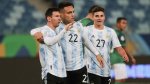
Argentina Dreams of a Legendary Conclusion to the Messi Era
Argentina prepares for the 2026 World Cup with the ambition of retaining the title.
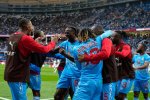
Democratic Congo: Discipline is the Weapon of the 'Leopards' in Their First World Cup Appearance in Decades
The Democratic Republic of Congo's national team prepares for the 2026 World Cup under the leadership of Desabre.
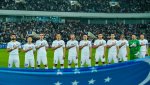
Uzbekistan Aims to Make History in the World Cup Under Fabio Cannavaro's Leadership
Uzbekistan qualifies for the World Cup for the first time with a strong group.
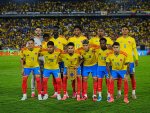
Colombia Bets on Experience and Offensive Brilliance in the World Cup
Colombia aims to surpass the 2014 World Cup quarter-finals.

Portugal in the World Cup: Ronaldo's Last Dream and a Golden Generation Chasing Global Glory
Portugal enters the 2026 World Cup with strength, stability, and honor.
Jordan in the World Cup: Big Dreams and Distinguished Names
Jordan's national team qualifies for the 2026 World Cup for the first time.

Algeria in the World Cup: A Mysterious Team Between Strength and Doubts
Algeria enters the 2026 World Cup with confidence, caution, and multiple challenges.