


Ebola Concerns Impose Measures on World Cup
The United States, Canada, and Mexico, the host countries for the 2026 FIFA World Cup, announced precautionary measures due to the Ebola outbreak in some regions of Africa, as part of the security and health preparations for the tournament.
The U.S. government, on behalf of the three countries, stated that this move aims to protect the population and the millions of fans, players, and tourists expected to attend, while simultaneously maintaining the smooth flow of travel and trade across the borders during the tournament period.
Despite the announcement of these measures, the precise details remain unclear as it has not been specified whether they will include travel restrictions or quarantine procedures, at a time when the health situation in the African continent is causing increasing concern.
The Democratic Republic of the Congo, whose team is participating in the finals, and parts of Uganda are experiencing an Ebola outbreak, with hundreds of cases and deaths recorded. The disease is considered one of the most dangerous infectious viruses transmitted through direct contact with bodily fluids, prompting the strengthening of global preventive measures.
The U.S. government, on behalf of the three countries, stated that this move aims to protect the population and the millions of fans, players, and tourists expected to attend, while simultaneously maintaining the smooth flow of travel and trade across the borders during the tournament period.
Despite the announcement of these measures, the precise details remain unclear as it has not been specified whether they will include travel restrictions or quarantine procedures, at a time when the health situation in the African continent is causing increasing concern.
The Democratic Republic of the Congo, whose team is participating in the finals, and parts of Uganda are experiencing an Ebola outbreak, with hundreds of cases and deaths recorded. The disease is considered one of the most dangerous infectious viruses transmitted through direct contact with bodily fluids, prompting the strengthening of global preventive measures.
News Related
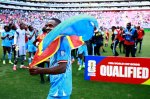
US Authorities Isolate Congolese Team Before World Cup
21-day quarantine for the Congolese team due to Ebola.

Special Exception Opens the Way for DR Congo to the World Cup
The Democratic Republic of the Congo national team is allowed to enter the USA despite health restrictions.

Full Draw of the 2027 Africa Cup of Nations Qualifiers
The curtain has fallen on the draw ceremony for the qualifiers for the Africa Cup of Nations tournament.

Announcement of Portugal's World Cup Squad
Portugal announces the 2026 World Cup squad, including 27 players.
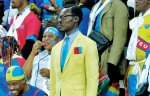
Famous Fan Accompanies Congo National Team to World Cup
Congolese fan travels with the national team to the 2026 World Cup.

Announcement of the Final List for the Democratic Republic of Congo National Team for the World Cup
The Democratic Republic of Congo national team announces a 26-player World Cup squad.

Mokyo Considers Representing Congo Instead of Belgium
Mokyo is considering changing his international representation from Belgium to Congo.
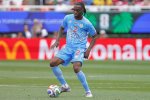
West Ham Escalates Against Congo After Wan-Bissaka's Absence from Leeds Match
West Ham complains to FIFA due to Wan-Bissaka's delay after international duties.

Congolese Sports Minister Challenges Ronaldo with Provocative Words
The Congolese Sports Minister motivates his players with statements against Ronaldo.

Democratic Congo Ends 52-Year Wait and Returns to the World Cup with a Decisive Goal
The Democratic Republic of Congo national team succeeded in writing a new historical chapter after