

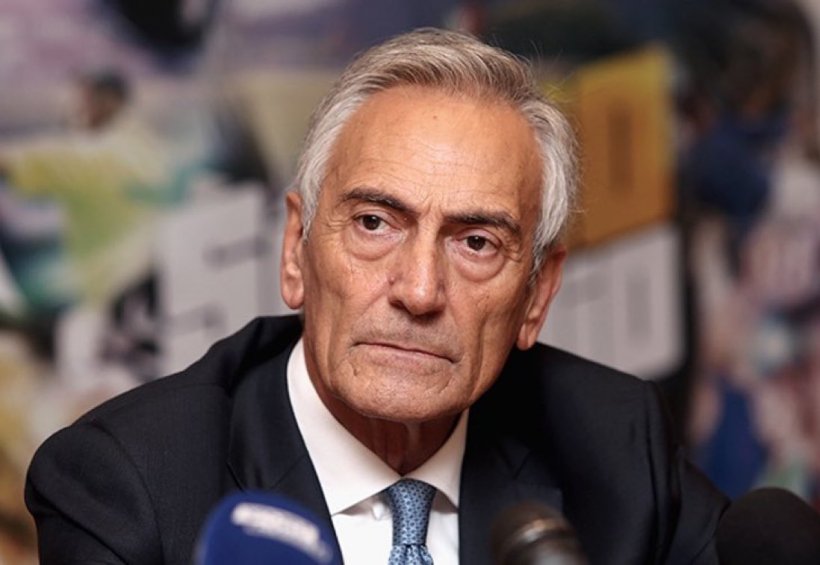
Increased Pressure on Gravina After World Cup Qualification Failure
Pressure continues in Italy on the president of the Italian Football Federation, Gabriele Gravina, following the national team's failure to qualify for the World Cup. The criticism is no longer limited to fans and the media but has extended to official bodies as well.
According to a report by the newspaper "Tuttosport," calls for restructuring the leadership of the federation have become more pronounced, with increasing discussions about the need to open a new chapter within the football system.
Notably, Italian Sports Minister Andrea Abodi indirectly criticized the federation's recent decisions, considering that some situations required "greater courage" in decision-making, which was understood as questioning the way issues are managed within the federation.
These developments come after the Italian national team's failure to qualify, which has intensified public anger, especially since Gravina refused to resign, asserting that the situation would be assessed within the federal council, despite acknowledging his responsibility as the head of the federation.
In this context, the coming days appear crucial for the future of Italian football management, as calls are increasing for radical changes at the leadership level in an attempt to rebuild the sports project and salvage the reputation of the "Azzurri" following a series of consecutive failures.
According to a report by the newspaper "Tuttosport," calls for restructuring the leadership of the federation have become more pronounced, with increasing discussions about the need to open a new chapter within the football system.
Notably, Italian Sports Minister Andrea Abodi indirectly criticized the federation's recent decisions, considering that some situations required "greater courage" in decision-making, which was understood as questioning the way issues are managed within the federation.
These developments come after the Italian national team's failure to qualify, which has intensified public anger, especially since Gravina refused to resign, asserting that the situation would be assessed within the federal council, despite acknowledging his responsibility as the head of the federation.
In this context, the coming days appear crucial for the future of Italian football management, as calls are increasing for radical changes at the leadership level in an attempt to rebuild the sports project and salvage the reputation of the "Azzurri" following a series of consecutive failures.
News Related

Sharp Criticism of Bastoni After Italy's World Cup Qualifying Elimination
Italian defender Alessandro Bastoni faced widespread criticism from the media.
Spinazzola: What Happened is Frustrating, and It Was My Last Chance
Italy loses to Bosnia on penalties, Spinazzola is frustrated.
Gattuso: I Will Not Engage in This Debate, Proud of the Players
Gattuso postpones talks about his future after Italy's loss.

Italian Spy in Bosnia and Herzegovina Training
Italian accused of spying on Bosnia's training sessions.
Gattuso: 'Great Italy' is the solution to return to the World Cup
Italy is ready to face Bosnia to ensure qualification for the World Cup.

Pjanic Warns and Criticizes Italians, Dimarco Responds
Bosnian star Miralem Pjanic sparked widespread controversy before the playoff final.
History Sides with Italy Before Playoff Final Against Bosnia
Football fans are turning their attention to the anticipated clash
The Return of Hafid Derradji to Commentary After a Controversial Absence
Hafid Derradji returns to commentate on matches after a period of absence.

Tonali: We Faced a Strong Opponent, and We Were Tense in the Second Half
Italy's victory over Northern Ireland 2-0 in the European playoffs.
Gattuso: The Style of Northern Ireland Surprised Us, and I Thank the Fans for Their Support
Gattuso: The Match Against Northern Ireland is Difficult, Italy Faces Bosnia.