


World Cup 2026: The Diaspora Tournament Reflects the Impact of Migration and FIFA Rule Changes
The 2026 World Cup has come to be described as the "Diaspora World Cup" due to the significant presence of players representing teams different from their birth countries. According to a report published by The Athletic, 292 players participating in the tournament were born outside the countries they represent, with almost all teams including at least one foreign-born player, except for only eight teams.
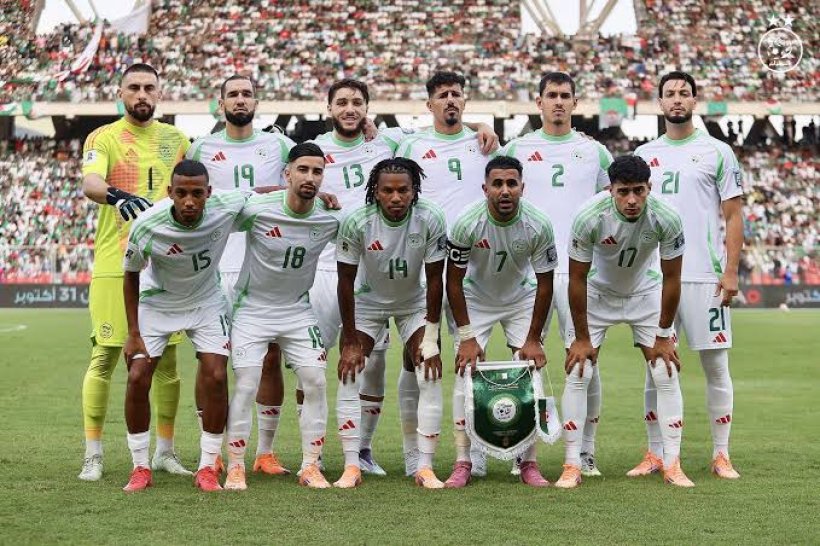
France is the country that has produced the most players representing other national teams, with 76 players born in France defending the colors of different countries, including ten players in the Senegal national team. Algeria tops the list with 13 players born in France, followed by Haiti with 12 players, while the Curaçao national team relies almost entirely on players born in the Netherlands, due to historical ties between the two.
The successive amendments to eligibility rules by the International Federation of Association Football (FIFA) have contributed to enhancing this phenomenon. Following pressures led by the Algerian Football Federation, FIFA allowed players who represented other national teams in youth categories to change their sporting nationality since 2004. The rules were later expanded, culminating in the 2020 amendment that allowed some players to switch national teams even after playing a limited number of official matches with the senior national team before the age of 21.
Amid the increasing competition to attract dual nationality holders, national federations have started relying on unconventional methods to discover eligible talents, including databases, social media, and even the game "Football Manager." While laws and procedures remain a decisive factor, family ties and cultural affiliation continue to be the most influential factors in a player's decision regarding which national team to represent on the international stage.
France is the country that has produced the most players representing other national teams, with 76 players born in France defending the colors of different countries, including ten players in the Senegal national team. Algeria tops the list with 13 players born in France, followed by Haiti with 12 players, while the Curaçao national team relies almost entirely on players born in the Netherlands, due to historical ties between the two.
The successive amendments to eligibility rules by the International Federation of Association Football (FIFA) have contributed to enhancing this phenomenon. Following pressures led by the Algerian Football Federation, FIFA allowed players who represented other national teams in youth categories to change their sporting nationality since 2004. The rules were later expanded, culminating in the 2020 amendment that allowed some players to switch national teams even after playing a limited number of official matches with the senior national team before the age of 21.
Amid the increasing competition to attract dual nationality holders, national federations have started relying on unconventional methods to discover eligible talents, including databases, social media, and even the game "Football Manager." While laws and procedures remain a decisive factor, family ties and cultural affiliation continue to be the most influential factors in a player's decision regarding which national team to represent on the international stage.
News Related
Highlights of Petkovic's Statements Before the Argentina Match
The Algerian national team is ready to face Argentina in the 2026 World Cup.
Astrological Prediction Sparks Controversy Before Algeria vs Argentina Summit
Positive Astrological Predictions for Algeria Against Argentina in the World Cup.
Features of Algeria's Expected Lineup Against Argentina
Algeria faces Argentina in the 2026 World Cup with a balanced lineup.
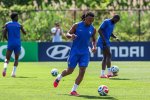
Kounde's Golden Opportunity to Prove Himself
The French national team is preparing to face Senegal in its opening match of the Cup tournament.
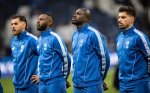
Al Hilal Sends Message to Its Players in the World Cup
Al Hilal supports Hernandez and Koulibaly ahead of the France and Senegal match.
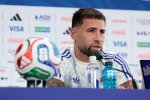
Otamendi: Playing alongside Messi is an invaluable honor
Argentina prepares for the 2026 World Cup with a champion's mindset.

Scaloni: We are Seriously Preparing to Face a Great Team Like Algeria
Scaloni praises Algeria and confirms Messi's readiness to face Algeria.
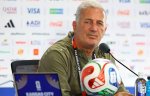
Bitkovic: Argentina is the Top Contender to Win the World Cup
Algeria's match against Argentina is a tough test in the World Cup.
Ben Sebaini Returns to Training and His Participation Remains in Doubt
Improvement in Ben Sebaini's Condition Ahead of Argentina Clash in the World Cup.
Doubts About Ben Sebaini's Readiness Disrupt Algeria's Plans Ahead of Argentina Match
Algeria faces Argentina amid concerns about Ben Sebaini's readiness.