








Iraq in the World Cup: A Story of Determination Beyond War and Doubts
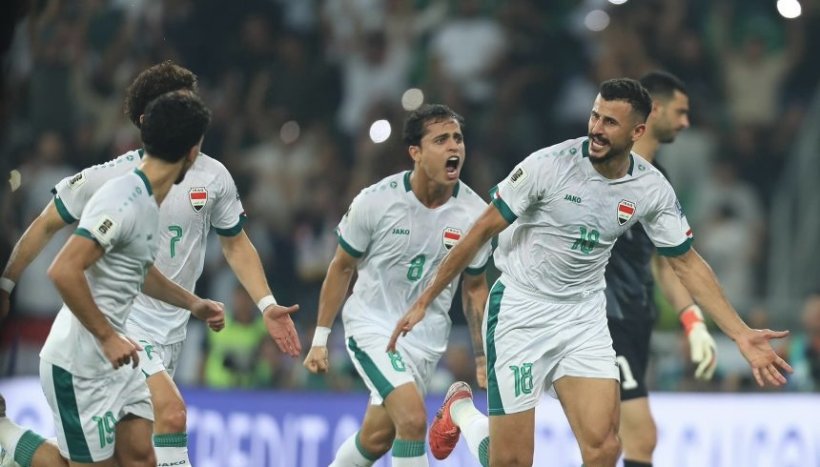
The Iraqi national football team succeeded in reaching the 2026 World Cup finals after a journey filled with political and sports challenges, led by coach Graham Arnold who tried from his first moments to rebuild confidence within the team.
When he took over the task, the players' morale was at its lowest, but he focused on the idea of 'belief' and tactical discipline, with changing the playing style between 4-3-3 and 4-4-2, which gradually brought the team back on track.
The decisive turning point came in the qualifiers during the encounter with the UAE, when Iraq got a penalty kick in the last minute through video technology, securing the match with a killer goal that kept the qualification hopes alive.
After that, the team played a difficult playoff against Bolivia in Mexico, but the path was not easy due to regional disturbances and wars that affected travel and preparation, forcing the players on long and arduous journeys before the decisive match that ended with Iraq's historic qualification to the World Cup.
Iraq enters the tournament in a strong group described as the 'Group of Death', including France, Norway, and Senegal, but coach Graham Arnold believes that the absence of pressure on his team may give them a psychological advantage, considering that all the burden falls on the competitors.
The Australian coach confirms that the team will play without fear, aiming to surprise the world and present bold football without complex calculations.
In terms of stars, striker Ayman Hussein stands out as the team's most important weapon after a career full of ups and downs and criticism, alongside midfielder Amir Al-Amari who created the decisive qualifying moment, while young Marco Faraj is considered a promising talent capable of making a difference.
With the support of Iraqi communities spread around the world, the 'Lions of Mesopotamia' enter the tournament with the ambition to go beyond mere participation to writing a new chapter in their global history.


View Comments