

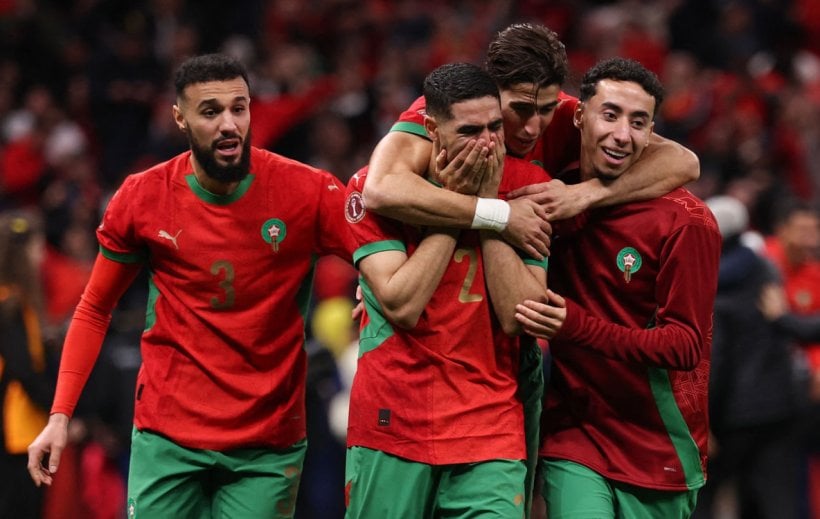
Morocco Faces Senegal in Search of a Title Missing for Half a Century
This evening, the eyes of the Moroccan public are focused on the capital, Rabat, where the Moroccan national team will play the final match of the 2025 Africa Cup of Nations, held on home soil, facing Senegal in a decisive battle for a title that has been eagerly awaited for nearly fifty years.
The "Atlas Lions" are aiming to claim their second continental title in history, after their sole victory in 1976. This match also represents Morocco's second chance to reach the top of the podium since the 2003 final, which they lost to the host nation, Tunisia.
The bet on continuity
The Moroccan national team enters the match backed by a series of remarkable achievements in recent years, most notably reaching the semifinals of the 2022 World Cup in Qatar, as well as leading the African team rankings and holding the eleventh position globally.
Morocco enters the final without any losses in the past two years, except for a single draw in the group stage against Mali, having maintained a long streak of consecutive victories, reflecting the team's technical and mental stability.
The technical staff is counting on the large anticipated crowd support at the Moulay Abdellah Stadium, which has a capacity of about 69,000 spectators, in an effort to leverage the home advantage and the fans to secure the victory.
Rakrak's statements
Walid Regragui, the head coach of the Moroccan national team, affirmed during the press conference ahead of the final that reaching the championship match had been a clear goal for the past two years, noting that playing on home soil in Morocco is a dream for any coach.
Rukraki emphasized that the goal is not limited to winning titles only, but also extends to establishing a culture of continuity and constant competition for continental championships. He affirmed that the match against Senegal will be very challenging, but it represents an opportunity to make new history.
Offensive brilliance and defensive solidity
Morocco's reaching the final is attributed to the outstanding performance of striker Brahim Díaz, a Real Madrid player who leads the tournament's top scorers with five goals, as well as a strong defensive system that has conceded only one goal from a penalty kick throughout the tournament.
Senegal is aiming for their second title.
On the other hand, the Senegal national team is competing in the final for the fourth time in its history, and the third time in the last four editions, aiming to win its second continental title after clinching the 2022 edition against Egypt.
The "Lions of Teranga" rely on an organized defense, having conceded only two goals in the tournament, along with the experience of their veteran star Sadio Mané, who announced that this final might be his last in the Africa Cup of Nations.
Organizational Crisis and Official Response
The hours leading up to the final witnessed limited tension, following the Senegalese federation's objection to certain organizational arrangements related to the team's arrival in Rabat, the accommodation, and the ticket allocation for the fans.
The Senegal coach confirmed that his players faced uncomfortable situations upon arrival, urging that such incidents be avoided in the future to preserve the tournament's image.
In an official response, the African Football Confederation affirmed its full commitment to its regulations, explaining that all teams were subject to the same standards, and that the concerns raised by the Senegalese team were addressed in coordination with the organizing committee, whether regarding accommodation, training grounds, or tickets.
The "Atlas Lions" are aiming to claim their second continental title in history, after their sole victory in 1976. This match also represents Morocco's second chance to reach the top of the podium since the 2003 final, which they lost to the host nation, Tunisia.
The bet on continuity
The Moroccan national team enters the match backed by a series of remarkable achievements in recent years, most notably reaching the semifinals of the 2022 World Cup in Qatar, as well as leading the African team rankings and holding the eleventh position globally.
Morocco enters the final without any losses in the past two years, except for a single draw in the group stage against Mali, having maintained a long streak of consecutive victories, reflecting the team's technical and mental stability.
The technical staff is counting on the large anticipated crowd support at the Moulay Abdellah Stadium, which has a capacity of about 69,000 spectators, in an effort to leverage the home advantage and the fans to secure the victory.
Rakrak's statements
Walid Regragui, the head coach of the Moroccan national team, affirmed during the press conference ahead of the final that reaching the championship match had been a clear goal for the past two years, noting that playing on home soil in Morocco is a dream for any coach.
Rukraki emphasized that the goal is not limited to winning titles only, but also extends to establishing a culture of continuity and constant competition for continental championships. He affirmed that the match against Senegal will be very challenging, but it represents an opportunity to make new history.
Offensive brilliance and defensive solidity
Morocco's reaching the final is attributed to the outstanding performance of striker Brahim Díaz, a Real Madrid player who leads the tournament's top scorers with five goals, as well as a strong defensive system that has conceded only one goal from a penalty kick throughout the tournament.
Senegal is aiming for their second title.
On the other hand, the Senegal national team is competing in the final for the fourth time in its history, and the third time in the last four editions, aiming to win its second continental title after clinching the 2022 edition against Egypt.
The "Lions of Teranga" rely on an organized defense, having conceded only two goals in the tournament, along with the experience of their veteran star Sadio Mané, who announced that this final might be his last in the Africa Cup of Nations.
Organizational Crisis and Official Response
The hours leading up to the final witnessed limited tension, following the Senegalese federation's objection to certain organizational arrangements related to the team's arrival in Rabat, the accommodation, and the ticket allocation for the fans.
The Senegal coach confirmed that his players faced uncomfortable situations upon arrival, urging that such incidents be avoided in the future to preserve the tournament's image.
In an official response, the African Football Confederation affirmed its full commitment to its regulations, explaining that all teams were subject to the same standards, and that the concerns raised by the Senegalese team were addressed in coordination with the organizing committee, whether regarding accommodation, training grounds, or tickets.
News Related

Between Pain and Dream.. Hakimi Awaits the Final
Hakimi, Morocco's captain despite injury, is a symbol of hope for the fans in the final.

Morocco Approaches Continental Glory in the Africa Cup of Nations Final
Morocco aspires to win the Africa Cup of Nations after a long absence.

Morocco Clashes with Senegal in the Africa Cup of Nations Final.. Date and Broadcasting Channels
African football fans eagerly await the anticipated showdown today between

For the Second Star.. Senegal's Squad Pledges to Gift the 'CAN' Title to Sadio Mané in His Final Dance
Great optimism prevails in the Senegalese national team camp, nicknamed the 'Lions of Teranga'.

Senegal Coach: We Overcame the Toughest Challenge Against Egypt and Are Ready to Secure the Title
Thiao confirms Senegal's readiness to face Morocco in the Africa Cup of Nations final.

Niakhaté: We Respect Morocco and Compete for the Africa Cup of Nations Title with Sportsmanship
Respectful and honorable competition between Senegal and Morocco in the final.

إلياس بن صغير: سنقاتل حتى النهاية من أجل المغرب
لاعبو المغرب عازمون على الفوز بالمباراة النهائية.

Controversial Comment from Former Pharaohs Star on Mane's Goal Against El-Shenawy
Hassan Mostafa criticizes Egypt's defense after Mane's goal in the Africa Cup of Nations semifinal.

Regragui: Reaching the Final Was a Dream and We Want to Triumph Against Senegal
Regragui confirms Morocco's goal to win the Africa Cup of Nations.

Suspension of Egyptian National Team Duo for Two Matches Due to Senegal Match Incidents
Marwan Attia and Salah Mohsen have been suspended for two matches following inappropriate behavior after the Senegal game.